
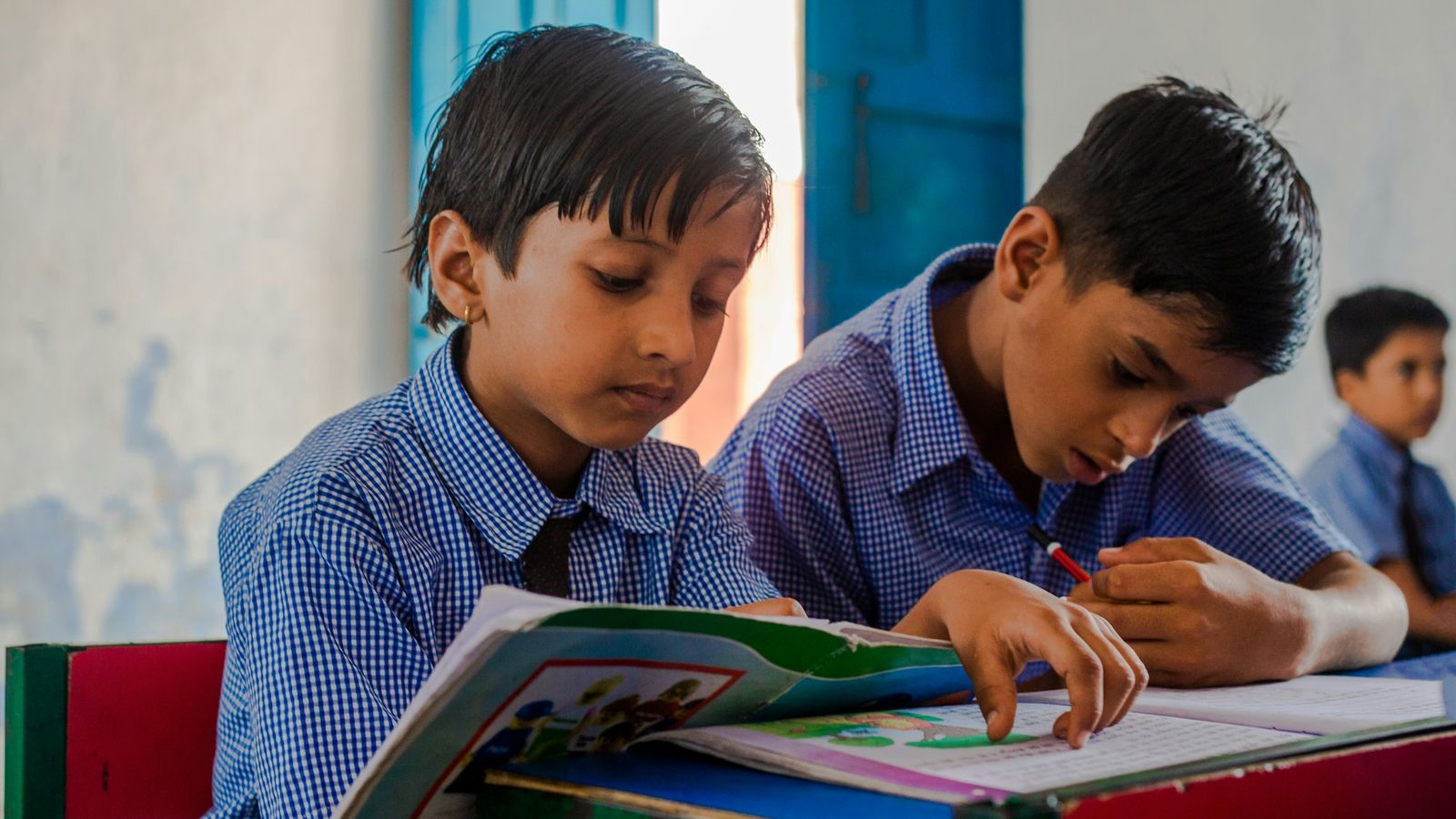
Reading opens the door to every other subject. A child who reads with understanding can learn science from a textbook, follow a maths word problem and, one day, fill in a form or read a prescription. Yet the ASER survey of rural India found in 2024 that about half of children in Class 5 still could not read a simple Class 2 text.
Good to know
- The Right to Education Act, 2009, guarantees free and compulsory schooling for every child aged 6 to 14.
- Under the NIPUN Bharat Mission, launched in 2021, India aims for every child to read, write and do basic maths by the end of Class 3.
- The National Education Policy 2020 encourages teaching in the child’s home language, wherever possible, until at least Class 5.
Why the early years matter
In the first years of school, children learn to read. After that, they read to learn. A child who falls behind early usually finds the gap growing with every class. The good news is that small, regular help at home makes a real difference.
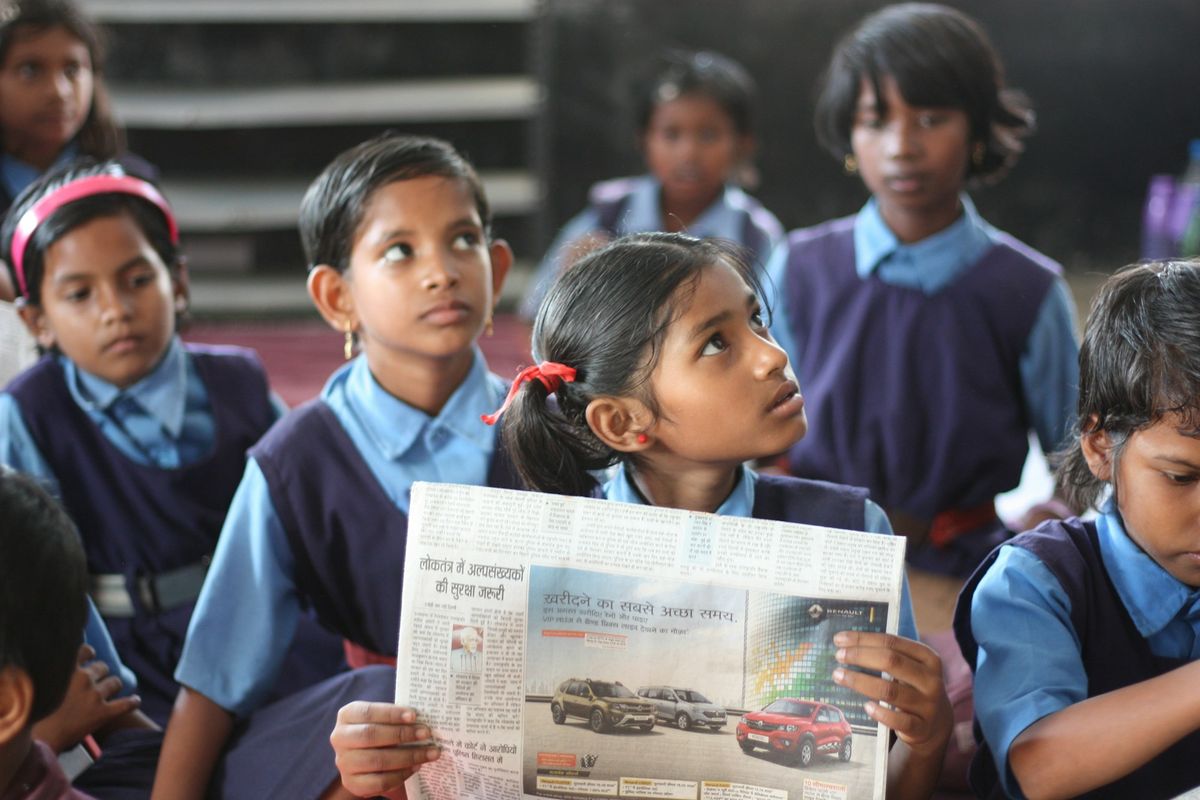
Ten minutes a day: habits for home
- Read together every day. Ten to fifteen minutes is enough. Stories, newspapers, comics and religious books all count.
- Use the language your child speaks at home. Children learn to read most easily in a language they already understand.
- Talk about what you read. Ask, “What do you think happens next?” or “Why was she sad?” Talking builds understanding, not just speed.
- Spot words everywhere. Point out letters and words on shop signs, bus boards, food packets, calendars and wedding cards.
- Let your child be the teacher. Ask them to read to you, or to explain something they learnt in school today.
- Praise effort, not just results. Mistakes are part of learning, and scolding makes children afraid to try.
- Keep something to read at home. Old textbooks, children’s magazines and library books all help.
The same approach works for numbers: count rotis at dinner, add up prices at the market, or read the clock together.
If you can’t read yourself
Many parents in India did not get the chance to go to school. You can still help, and your support matters just as much:
- Tell stories from your childhood, your village or your family. Listening builds vocabulary and imagination.
- Ask your child to read aloud to you each evening, and let them see that you are proud of them.
- Ask older siblings, cousins or neighbours to read with younger children.
- Meet your child’s teacher and ask how your child is doing. Your interest shows the school, and your child, that learning matters.
Education is one of Savaaya’s three focus areas. If you’d like to give some of your time to help children learn, find out how to get involved.
Photos: Swastik Arora and jaikishan patel on Unsplash.