
Heart disease is the leading cause of death in India, and doctors are seeing heart attacks in people in their 30s and 40s more often than before. When a heart attack strikes, what happens in the next few minutes matters enormously. Knowing the signs, and acting on them without delay, can save a life.
Save these numbers
- 108: free ambulance service in most states (in Delhi, dial 102)
- 112: India’s single emergency number
- Write them down where everyone at home can see them.
Warning signs of a heart attack
- Pain, pressure, tightness or heaviness in the centre of the chest that lasts more than a few minutes, or goes away and comes back
- Pain spreading to one or both arms, the neck, jaw, back or upper stomach
- Shortness of breath, with or without chest pain
- Breaking out in a cold sweat
- Nausea, vomiting or feeling light-headed
Women, older people and people with diabetes may have milder or unusual symptoms, such as unexplained tiredness, breathlessness, or discomfort that feels like acidity. Don’t dismiss these, especially if they are new.
What to do in the first hour
Doctors speak of the “golden hour”: the sooner treatment begins after a heart attack, the more heart muscle is saved and the better the chance of survival.
- Call 112 or 108 (102 in Delhi) straight away. Don’t wait to see if the pain passes.
- Help the person sit down and rest, and loosen tight clothing. Don’t let them drive themselves.
- Get to the nearest hospital that can do an ECG, and tell the staff when the symptoms started.
- Give aspirin or any other medicine only if a doctor or the emergency operator tells you to.
If someone collapses
If the person does not respond and is not breathing normally, shout for help, call 112, and start hands-only CPR. Place the heel of one hand in the centre of the chest, your other hand on top, and push hard and fast, about 5 cm deep and 100 to 120 times a minute, until help arrives. Learning CPR takes an hour or two, and it could let you save someone’s life.
Protecting your heart every day
Most heart attacks are linked to risks that can be found early and managed:
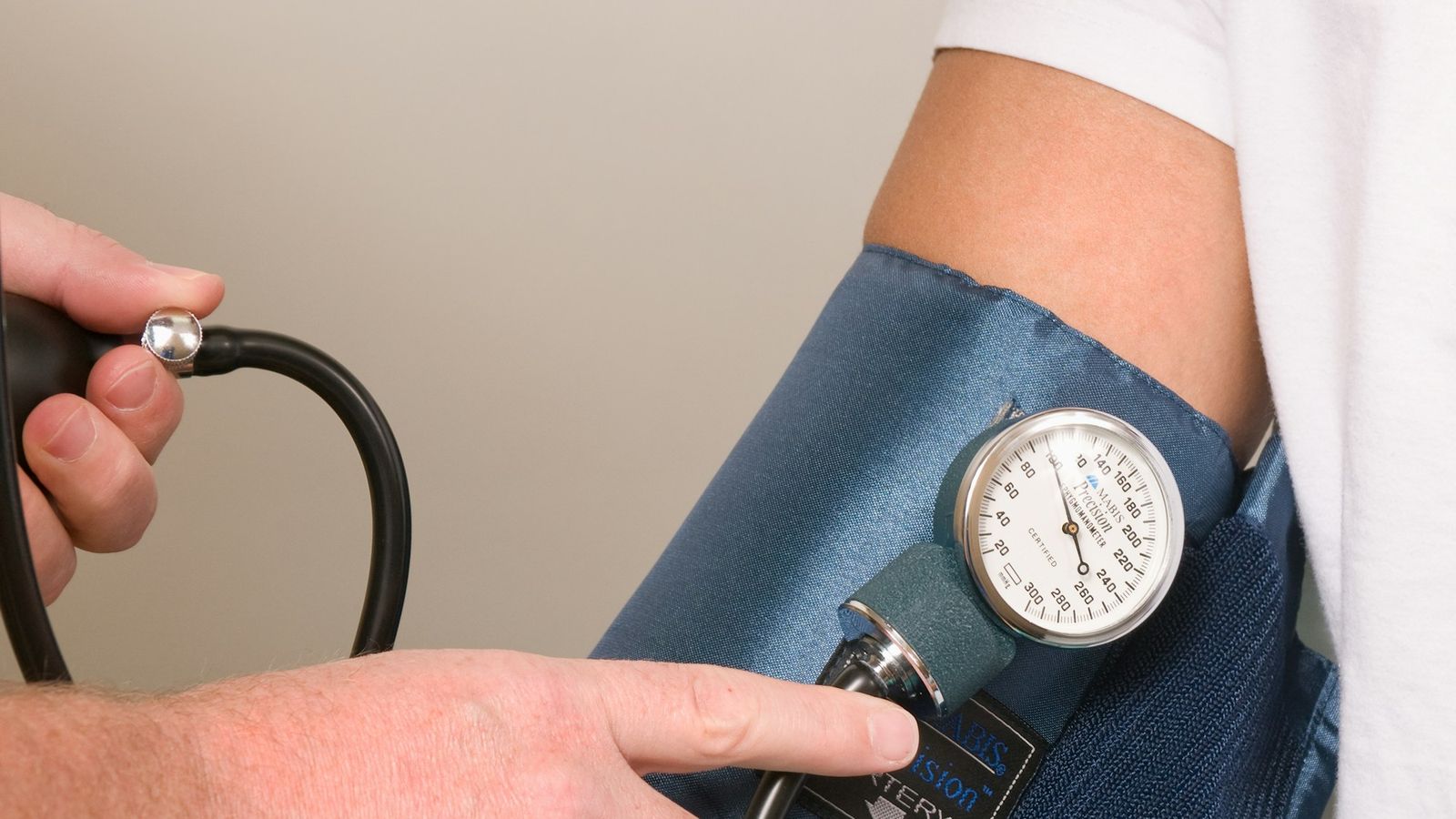
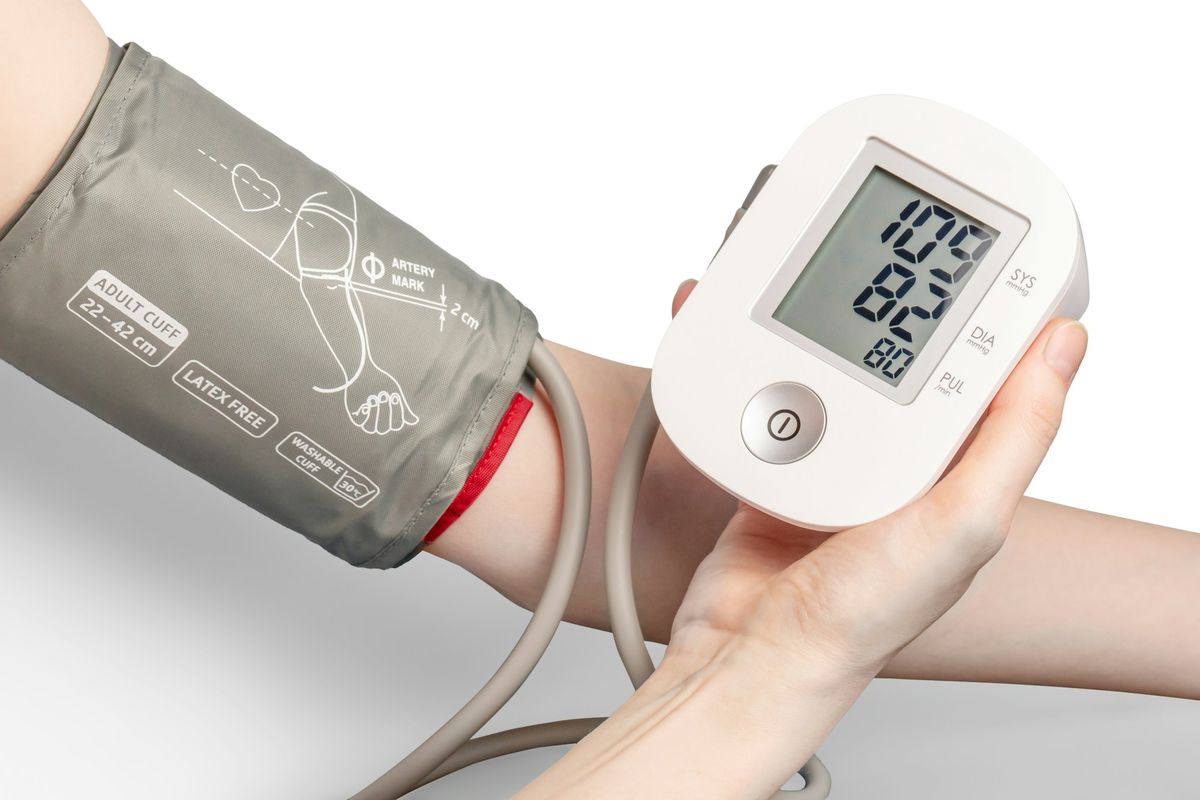
- Know your numbers. Get your blood pressure, blood sugar and cholesterol checked regularly, at least once a year after the age of 30.
- Quit tobacco in every form, including cigarettes, bidis and gutkha.
- Cut down on salt. The WHO advises less than 5 grams a day, about one teaspoon, and that includes salt in pickles, papad and packaged snacks.
- Move more. Aim for at least 150 minutes of brisk walking or other moderate activity a week.
- Eat more vegetables, fruit, pulses and whole grains, and less fried food, vanaspati and sugary drinks.
- Take medicines for blood pressure, diabetes or cholesterol exactly as prescribed, even when you feel fine.
Many government health centres, including Ayushman Arogya Mandirs, offer free screening for high blood pressure and diabetes for adults aged 30 and above.
Healthcare is one of Savaaya’s three focus areas, and our board includes doctors who care deeply about prevention. If you’d like to help, find out how to get involved.
This article is for general awareness and is not a substitute for medical advice. Please consult a doctor for diagnosis and treatment.
Photos: CDC and Mockup Graphics on Unsplash.