
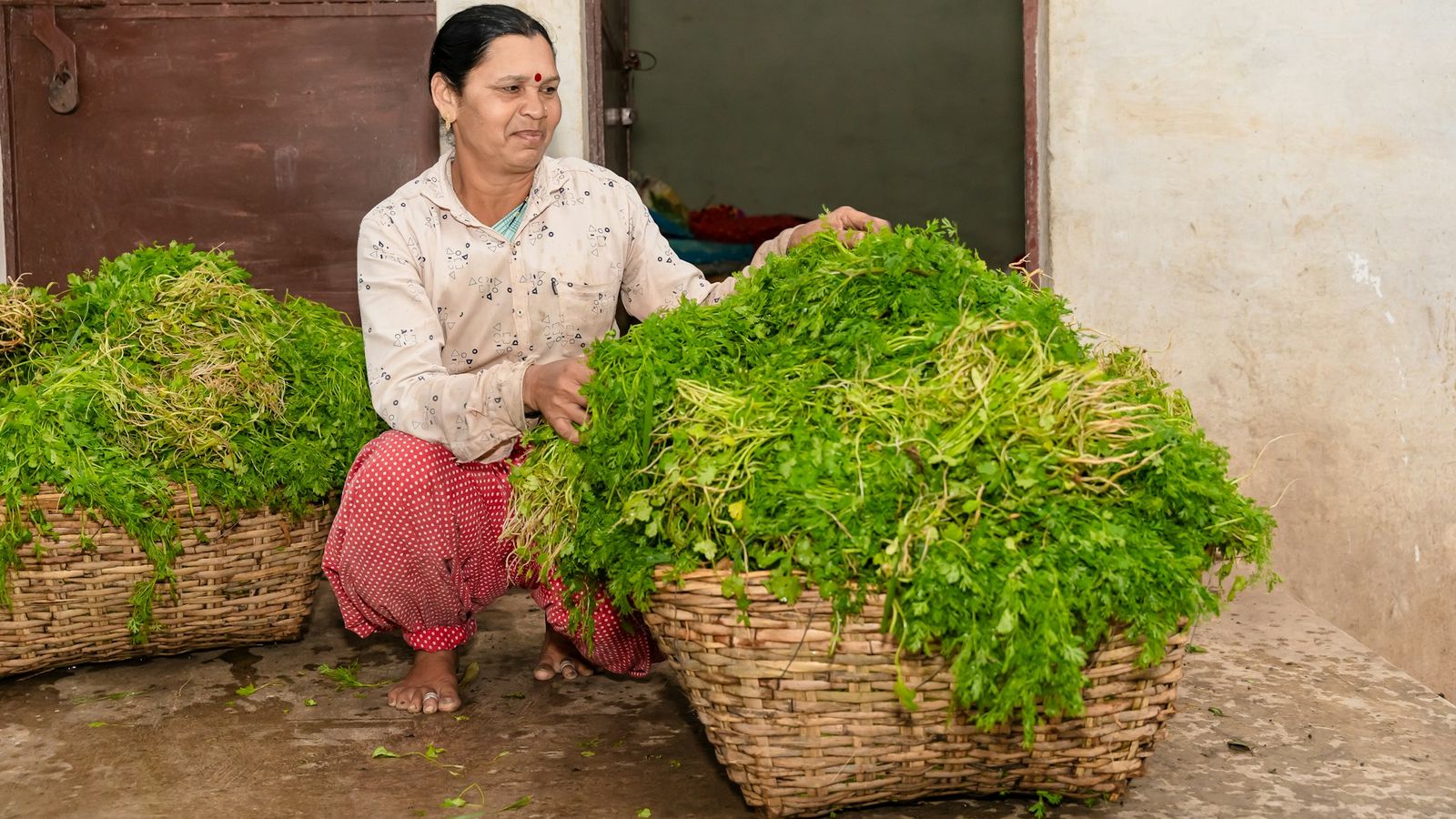
Feeling tired all the time is easy to brush off as part of a busy life. For millions of women and children in India, it can be a sign of anaemia, a condition in which the blood cannot carry enough oxygen around the body. It is common, it is simple to test for, and in most cases it can be prevented.
At a glance
- 57% of women aged 15–49 were anaemic in the most recent national survey (National Family Health Survey, NFHS-5, 2019–21).
- 67% of children aged 6–59 months were anaemic (NFHS-5).
- A simple haemoglobin (Hb) test can confirm it, and government health centres offer it.
What anaemia is
Anaemia means the body has too few healthy red blood cells, or too little haemoglobin, the protein inside them that carries oxygen. When haemoglobin runs low, the heart and every other organ have to work harder.
In India, a common cause is not getting enough iron from food. Other causes include low vitamin B12 or folic acid, worm infections, malaria, heavy blood loss during periods or childbirth, and inherited blood conditions such as thalassaemia and sickle cell disease.
Signs to watch for
- Tiredness and weakness that rest does not fix
- Pale skin, and pale inner eyelids, gums or nails
- Breathlessness or a racing heart after light work or climbing stairs
- Dizziness, headaches, or cold hands and feet
- In children: poor appetite, trouble concentrating in class, and slow growth
Mild anaemia often causes no signs at all, which is why a blood test matters.
Why it matters
During pregnancy, anaemia raises the risk of a baby being born too early or too small, and makes childbirth more dangerous for the mother. In children, it can hold back growth and learning. In adults, it quietly drains the energy people need for work, study and family life.
Everyday foods that help
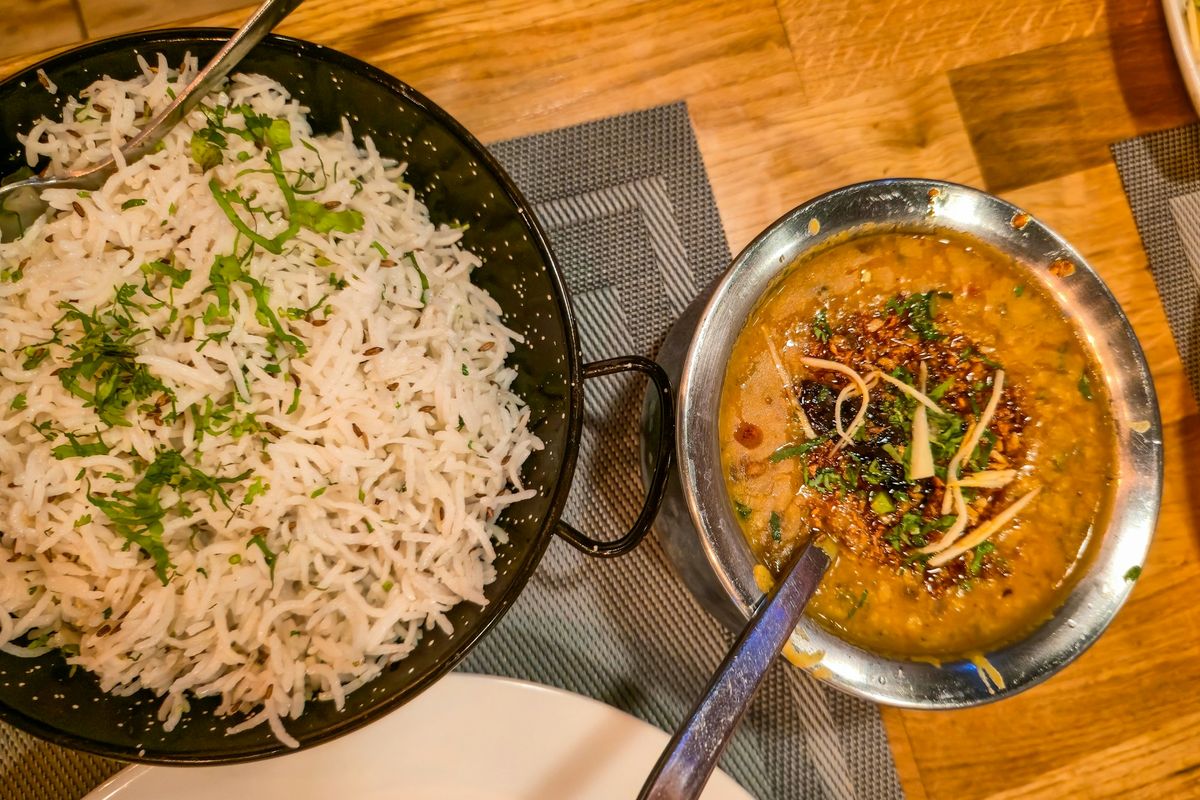
Eating for healthy blood does not have to be expensive. Many iron-rich foods are already part of Indian kitchens:
- Green leafy vegetables such as palak, methi, bathua, sarson and drumstick (moringa) leaves
- Pulses and legumes: chana, rajma, masoor, moong and lobia
- Millets such as ragi and bajra
- Til (sesame seeds), dates and other dried fruit
- Eggs, fish, chicken and meat, for families who eat them
Small habits that make a big difference
- Add vitamin C. A squeeze of lemon, or some amla, guava, orange or tomato with a meal helps the body absorb iron.
- Keep tea and coffee away from meals. Have them at least an hour before or after eating, because they reduce how much iron the body takes in.
- Cook in an iron kadhai or tawa. It adds a little extra iron to food.
- Deworm regularly, especially children, since worms cause blood loss.
Free help from the government
Under the Anaemia Mukt Bharat programme, iron and folic acid (IFA) supplements are given free to children, adolescents and women, including during pregnancy and breastfeeding, through ASHAs, anganwadis, schools and health centres. Children and teenagers aged 1–19 also receive deworming tablets on National Deworming Day, held every February and August.
Your local ASHA worker, anganwadi or primary health centre can tell you where to get tested and how to receive supplements.
What you can do today
- Get a haemoglobin test for yourself and your family, especially adolescent girls, pregnant women and young children.
- Don’t start iron tablets on your own. The right dose depends on age and need, so take them as a doctor or health worker advises, and keep them out of children’s reach.
- Share what you have learnt with one person at home or in your neighbourhood.
Nutrition is one of Savaaya’s three focus areas, alongside healthcare and education. If you’d like to help, find out how to get involved.
This article is for general awareness and is not a substitute for medical advice. Please consult a doctor for diagnosis and treatment.
Photos: EqualStock and Zoshua Colah on Unsplash.